Click or Tap Button
Italian builder Renzo Piano was born in 1937 into a family of high-tech architects. He had the opportunity to become familiar with the art of “doing” at a young age by going to construction sites with his father. He studied architecture at the Milan Politecnico from 1959 to 1964, and he continued to teach there until 1968. Following graduation, he spent some time working for his father’s construction company before joining a few other businesses to gain more experience.
Piano’s work has given new life to many urban ideas. Piano started working with structural engineer Peter Rice after he and Rogers split up in 1977. At this period, Piano concentrated on difficulties related to lighting, climate control, merging design and function, and communications. Piano started a number of projects in cooperation with Rice, one of which was a mobile workshop set up on the Otranto square (an experiment in urban reconstruction). The main goal of this workshop was to revive people’s artistic abilities by providing them with a steady source of income from on-going town repair.
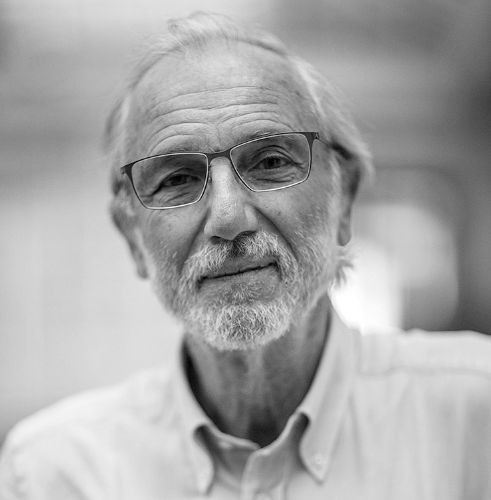
Throughout his career Renzo Piano has been in a constant struggle to surpass the clashes between creativity and scientific constraints. He kept on learning technological knowledge and used it to overcome architectural problems in more productive and modern way. He had a strong faith in amalgamation of craftsmanship and the latest technology. According to Piano, materials are the best tools of an architect of all times and he must identify their power to use them to a far off extent. Piano acquired the competence of controlling the technology with an extensive research. He encouraged the young lot to look at his work for its methodology rather than for its architectural forms. He has this skill with designing where every single design has its own peculiar solution only specific to it. This is the reason that each and every design of piano is different from every other design, thus leaving no space for consistency in his work.
In 1992, he started the massive urban reclamation project that cost $500 million to restore Genoa’s historic harbor in honor of the continent’s 500th anniversary of discovery. He won the international competition to create the master plan for the reconstruction of Potsdamer Platz, the hub of Berlin’s social and cultural life before to World War II, because of his respect for the character of older cities.
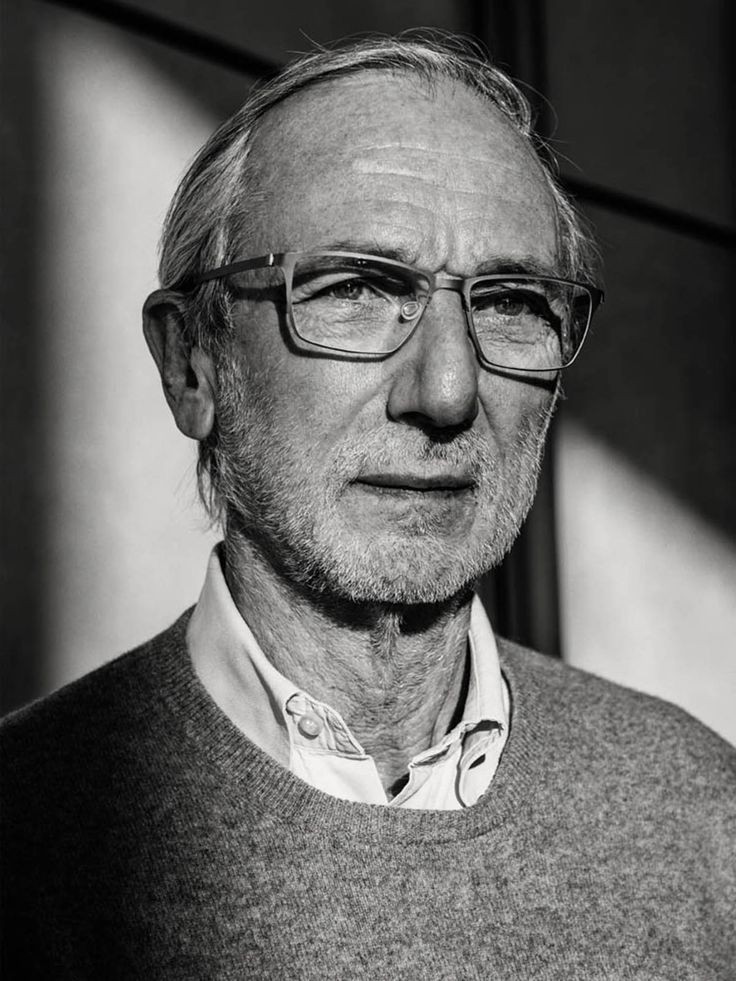
The Centre Georges Pompidou, a contentious structure in the center of Paris that was finished in 1978 and was designed by Renzo Piano, the 1998 Pritzker Prize winner, is perhaps most known for it. Piano called it “a happy urban machine” that was created in partnership with English architect Richard Rogers. The so-called Beaubourg, which Piano described as “a creature that might have sprung from a Jules Verne book,” has gained notoriety and symbolizes his enthusiasm for technology.
 ARCHIPEDIA