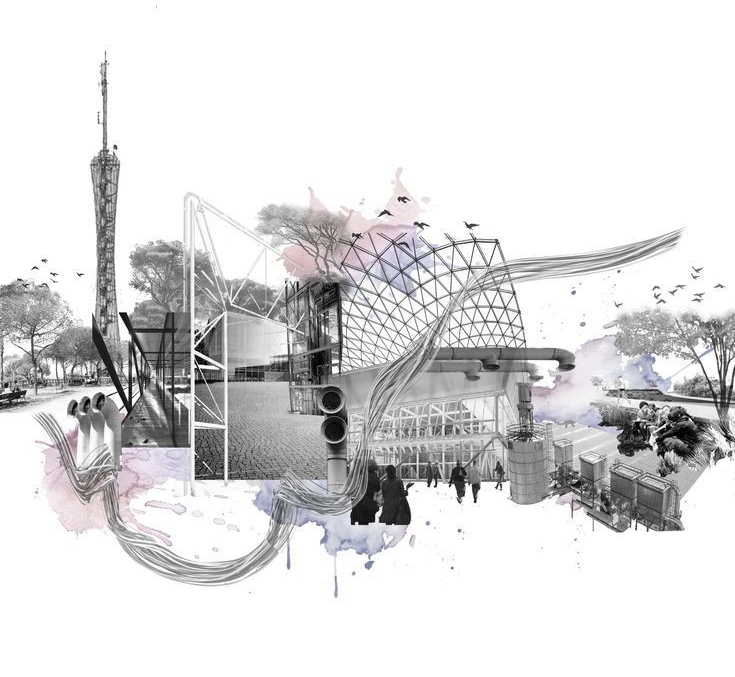
It’s generally accepted that the characteristics of contemporary architecture include non-linear and unadorned structures. But while there is no precise definition of what constitutes contemporary architecture, it contains a range of present-day building types that often seem strikingly different from one another and occasionally from anything that has come before. This is due to the numerous advancements in construction methods and materials that have enabled contemporary architecture in all of its countless variations.
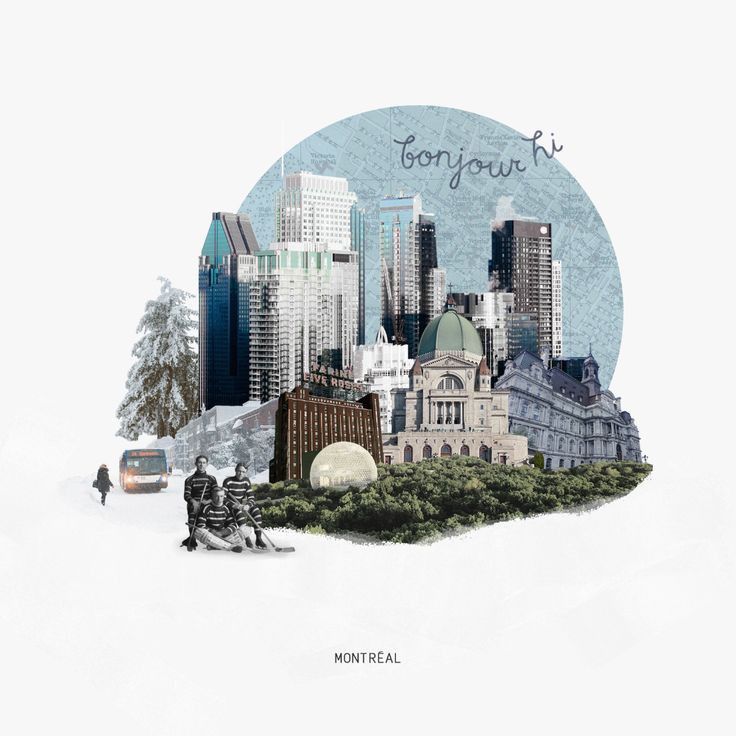
The architecture that has been developed recently, or in our day and age, is referred to be contemporary. Modern architecture particularly influences contemporary architecture by introducing significant modifications to form (shape), materiality, and space usage. This era is distinguished by the ongoing pursuit of innovation in all of its stages, particularly in the creative and technological ones. Because it is always evolving, we can claim that modern architecture does not fit within a predetermined historical era.
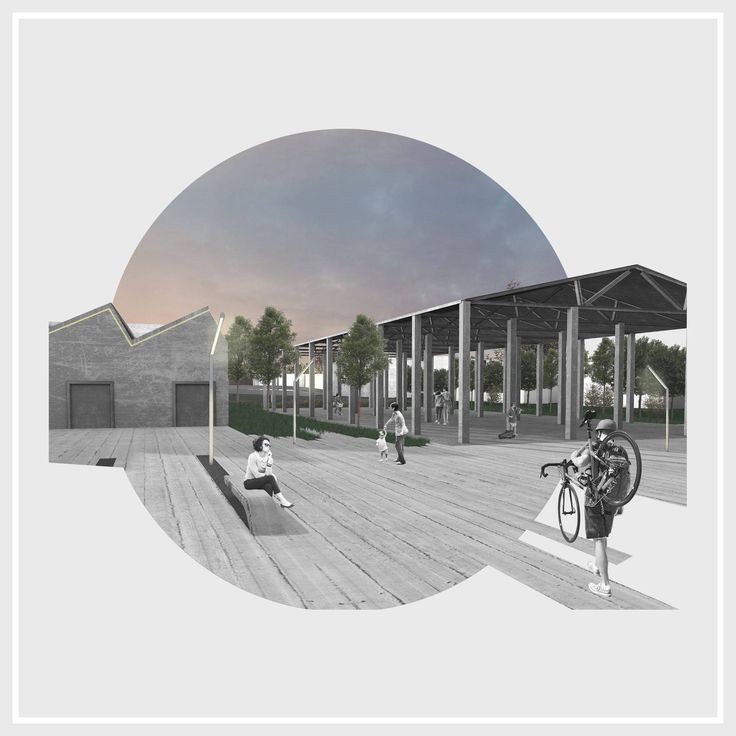
The expressiveness of form and design is one characteristic feature of modern architecture. The structures feature unique and artistic designs that are meant to be noticed and admired. The aesthetic sense is very much emphasized in the design of structures. There is also a wide range of material combinations to bring out contrast or uniformity. A single structure could be made using concrete, glass, aluminum screens and various other materials that may not be popular in modern design buildings. The innovativeness includes asymmetric facades and crystal-like facets that change color depending on the orientation of the sun at different times of the day.
TYPES OF CONTEMPORARY ARCHITECTURE STYLES

Parametricism
Parametricism is a style of architecture that addresses architectural design, interior design, urban design, and furniture design. It has a strong impact on product design and fashion design too. Parametricism means that all design elements become parametrically variable and mutually adaptive.
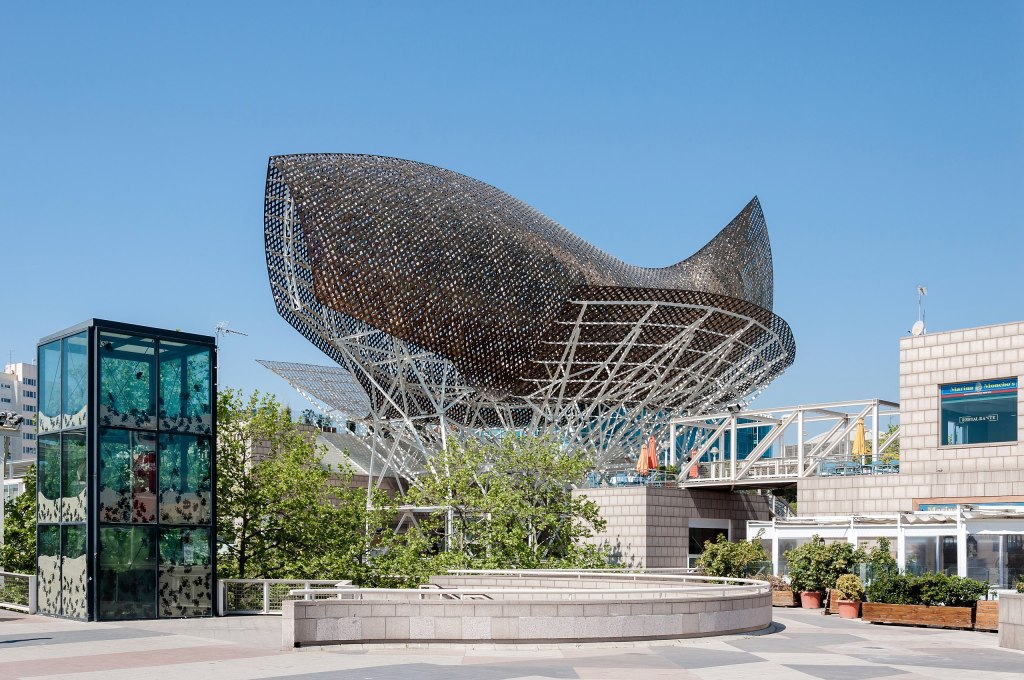
Peix Olímpic
The “Fish” or Peix Olímpic by Frank Gehry in Barcelona, Spain, is one of many parametric buildings by the famed architect. Gehry is known for taking organic shapes to the next level — he even designed a building to resemble a crumpled paper bag.
Blobitecture
Blobitecture is a term originally intended to be an insult to the controversial amoeba-like buildings that appeared in the mid-1990s, but today fully embraced by post-modern architects – in spite of its derogatory connotation – to define curved and rounded buildings, inspired by nature and organic forms; it is sometimes also referred to as ‘blob architecture’, ‘blobism’, or ‘blobismus’. Though appearing natural, this type of architecture would be impossible to conceive of from an engineering standpoint without the emergence of software and computer modelling platforms that help to make these seemingly organic forms a structural reality. From skyscrapers to private homes, explore some of the most famous blobitecture around the world
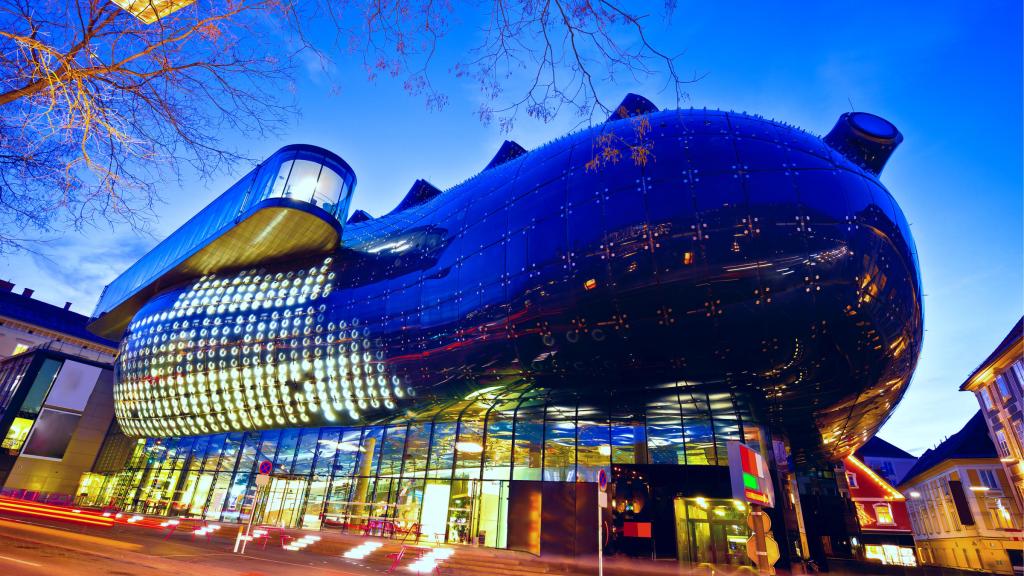
Kunsthaus
The Kunsthaus is an astonishing Blob building in Austria. It’s located in the heart of Graz, the second-largest city in Austria after Vienna and the capital city of the Austrian state of Styria. The building was completed in 2003 as the centerpiece of the European Capital of Culture celebrations that year. The Blob building was designed by architects Colin Fournier and Sir Peter Cook and has become one of the most significant architectural highlights in the City. Today, the structure is used for contemporary art exhibitions featuring art that was produced after the 1960s.
Digital Morphogenesis
Digital morphogenesis is a type of generative art in which complex shape development, or morphogenesis, is enabled by computation. This concept is applicable in many areas of design, art, architecture, and modeling. The concept was originally developed in the field of biology, later in geology, geomorphology, and architecture.
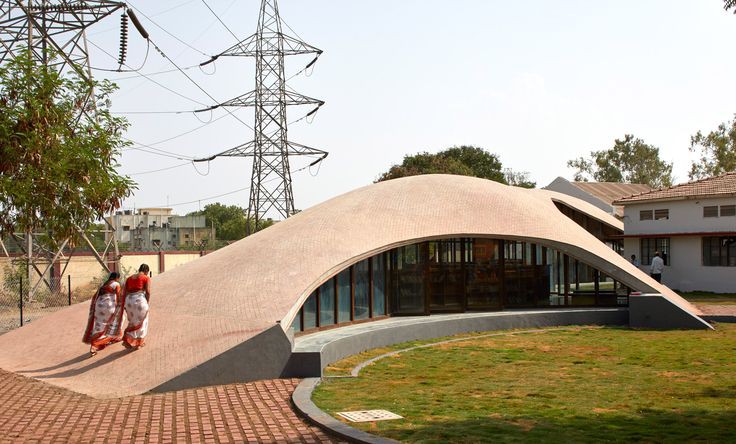
Maya Somaiya Library project
takes bricks to a whole new level, by creating a sinuous fluid shell covering the entire space. The shell serves both as covering and lateral walls, as well as exterior circulation.
Deconstructivism
The postmodern architectural trend known as deconstructivism first emerged in the 1980s. It gives the impression of the fragmentation of the constructed building, commonly characterised by an absence of obvious harmony, continuity, or symmetry.
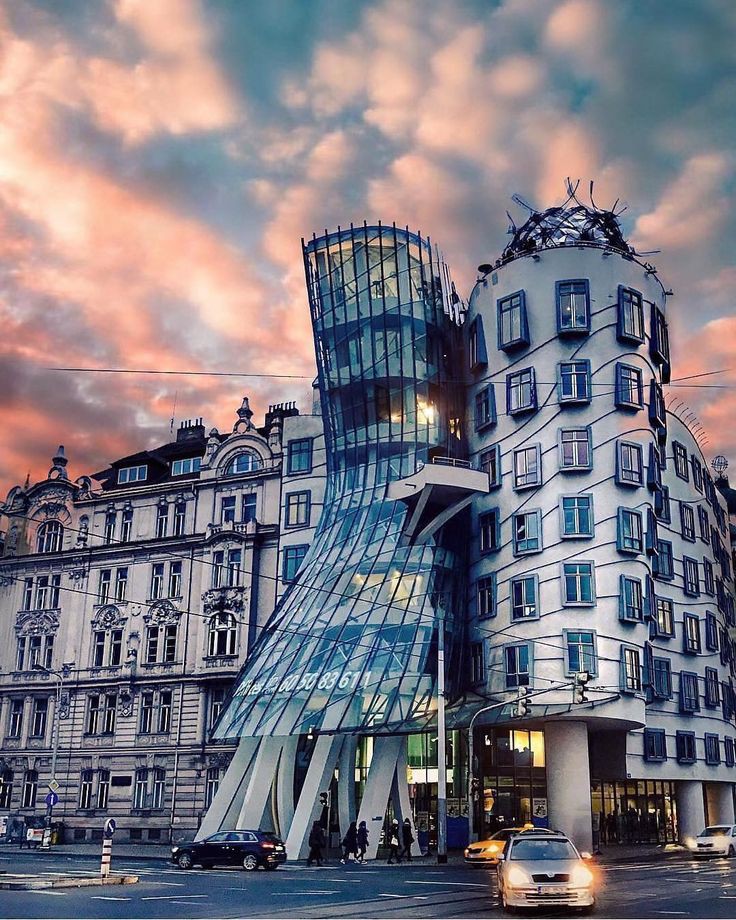
The Dancing House
Product of a co-operation between the Croatian-Czech architect, Vlado Milunić, and the Canadian-American architect, Frank Gehry, the Dancing House, or Tančící dům in Czech Republic, is located on a riverfront plot in Prague. A dancing house is not something people would usually associate with Prague, it would most likely be old buildings, prime examples of pre-war architecture and historic attractions. Which is why the Dancing House is such a strikingly modern contrast to the city’s infrastructure. Also called Ginger & Fred, as an homage to Ginger Rogers and Fred Astair – the legendary dance duo, the house actually does look like it has been caught in a middle of a dance move. People often describe the unusual shape of the building as a woman and a man dancing together, with even their hands showing and a skirt swaying to the music. The curvature of the glass does indeed resemble a skirt-wearing figure as it is embracing its partner, you can almost anticipate the next move. Anyway, this piece of deconstructivist architecture definitely stands out among the Neo-Baroque, Neo-Gothic and Art Nouveau buildings that Prague is famous for. 99 concrete panels, each having a different shape and dimension, are supporting the “dancing” shape.
Neo-futurism
Neo-futurism is a late-20th/early-21st century architectural style. It evolved out of high-tech architecture, developing many of the same themes and ideas. It is seen as a departure from the more skeptical and referential style of post-modernism, and more of an idealistic approach to the future. It aims to rethink the aesthetics and functionality of rapidly growing urban areas. The movement has its origins in the mid-20th century structural expressionist work of the Finnish architects Alvar Aalto and Eero Saarinen, as well as the Danish architects Henning Larsen and Jorn Utzon, and other pioneers such as Buckminster Fuller.
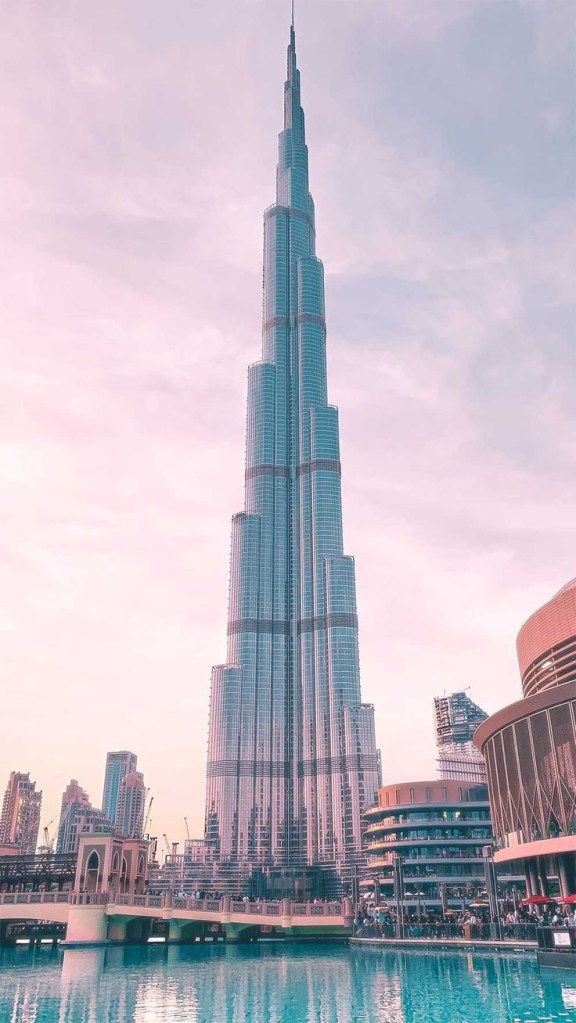
Burj Khalifa
Burj Khalifa is the tallest building in the world which makes it the most prominent example of Neo-Futurism Architecture. This incredible skyscraper stands 829.8 meters (2,722 feet) tall and dominates the landscape from miles away. The building was designed by American architect Adrian Smith and his team at Skidmore, Owings & Merrill. The concept of the building was to design a building in Dubai that resembles Islamic buildings. This way it incorporates traditional Islamic architecture into a modern building that was completed between 2004 and 2009.
Eco Architecture
Eco Architecture’, sometimes termed ‘Sustainable Architecture’ or ‘Eco Friendly Architecture’, is a phrase that describes architecture which is heavily focused on reducing the carbon footprint of the construction and life of a building, area or volume of space. Sustainable architecture is design that attempts to limit the negative environmental impact of buildings by better efficiency and moderation in the use of materials, energy, development space and the ecosystem at large.

One Central Park
One Central Park features vertical gardens on the facade. It consists of two interconnected towers, the shorter one is in the forefront. The innovative city that brought you the Sydney Opera House also thinks green-take One Central Park for example. A park at the foot of the building literally continues up the structure, as vegetation of 250 species of Australian plants and flowers cover One Central Park, according to archdaily.com. They look pretty, shade the building and send an undeniable statement. Its hovering cantilever, which holds the taller tower’s most luxurious penthouses, is a design marvel. Skyscraper.com says it has 25% less energy consumption compared with a conventional building of its size.
Brutalism
The 1950s saw the emergence of the brutalist movement, also referred to as brutalist architecture, which had its roots in the early 20th century modernist movement. Brutalist buildings are characterised by their massive, monolithic and ‘blocky’ appearance with a rigid geometric style and large-scale use of poured concrete. The movement started to lose popularity in the 1970s after receiving harsh criticism for being indifferent and inhumane. Brutalism is a style with an emphasis on materials, textures and construction, yielding extremely expressive forms.
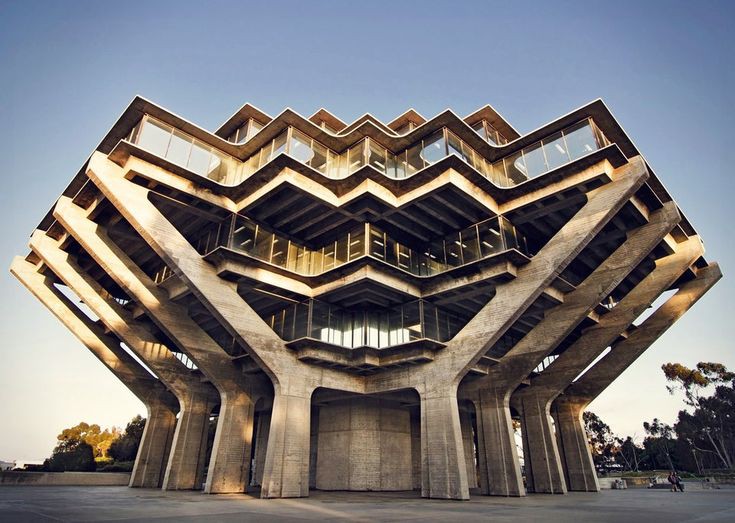
Geisel Library
Location: La Jolla, California
Year built: 1970
Architects: William L. Pereira & Associates
For fans of both brutalism and Dr. Seuss, there’s only one building that matters: Geisel Library. Named after local La Jolla author and benefactor Theodor Seuss Geisel, the library is the somewhat unlikely home to a vast collection of Dr. Seuss drawings, books, audio recordings, and memorabilia—over 8,500 items in all, plus a large bronze statue of the Cat in the Hat that greets visitors. Architect William Pereira was the creator of many a memorable building, especially in California—the Transamerica Pyramid tower in San Francisco, CBS’s Television City in Hollywood, and Pepperdine University in Malibu, to name a few. The unique futuristic design is representative of hands (the splaying concrete piers) holding up books (the glassed-in floors).
Postmodernism
Postmodern architecture is a style or movement which emerged in the 1960s as a reaction against the austerity, formality, and lack of variety of modern architecture, particularly in the international style advocated by Philip Johnson and Henry-Russell Hitchcock. The movement was introduced by the architect and urban planner Denise Scott Brown and architectural theorist Robert Venturi in their book Learning from Las Vegas. The style flourished from the 1980s through the 1990s, particularly in the work of Scott Brown & Venturi, Philip Johnson, Charles Moore and Michael Graves. In the late 1990s, it divided into a multitude of new tendencies, including high-tech architecture, neo-futurism, new classical architecture and deconstructivism. However, some buildings built after this period are still considered post-modern.
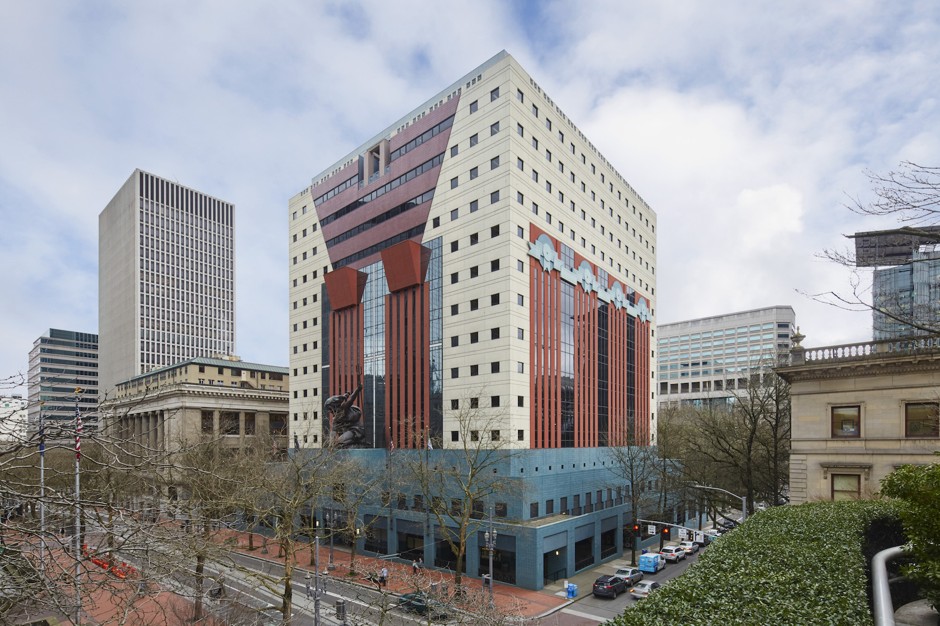
The Portland Building
The Portland Building, Portland, USA
Designed by Michael Graves of the Memphis group, the Portland Building is considered a classic. When it opened in 1982, it was starkly different from the other office buildings of the time. Some important features of the building were the use of materials and colors, smaller windows, and other decorative flourishes such as stylized classical elements of exaggerated keystone and pilasters.
High-tech Architecture
High Tech in architecture is influenced by engineering and new technology, High Tech is a style that accentuates a building’s construction. High Tech was a development in British Modernist architecture from the late 1960s. It was a concept of design, based on engineering, construction and other aspects, such as the manipulation of space. High Tech was marked by a preference for lightweight materials and sheer surfaces, a readiness to adopt new techniques from engineering and other technologies, and the celebratory display of a building’s construction and services. Norman Foster and Richard Rogers were the key architects who brought about these changes and implemented them from the 1970s. High Tech buildings are characterised by exposed structures (usually of steel and or other metals), with services (pipes, air ducts, lifts etc.) often picked out in bright colours, a smooth, impervious skin (often of glass) and a flexibility to create internal service zones, rather than rooms or sequences of rooms.
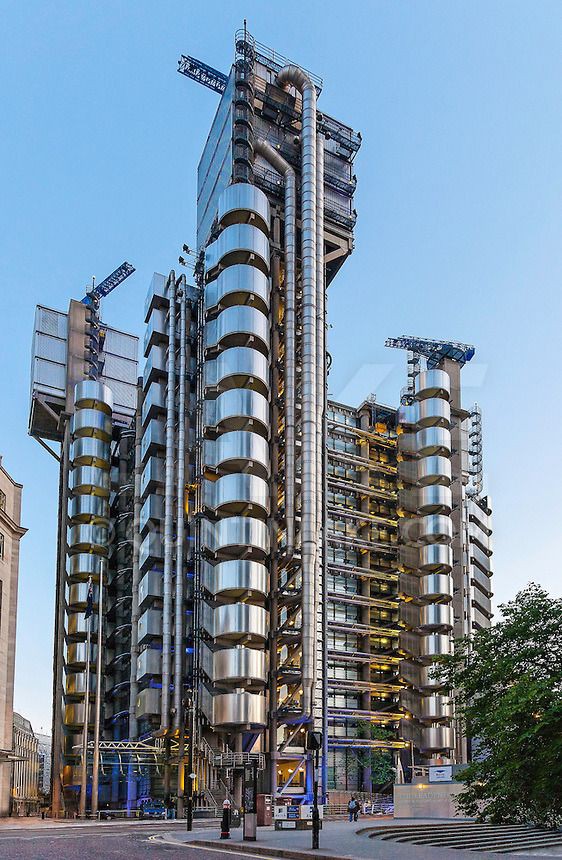
The Lloyd’s building, 1986, by Richard Rogers
Rogers’ second major building following Centre Pompidou was the Lloyd’s building in London, which is one of the 1980s most recognisable pieces of architecture. The headquarters of Lloyd’s of London – one of the world’s largest insurance firms – is distinguished by its radical inside-out aesthetic.
 ARCHIPEDIA